
Top Waterproofing Products for Effective Moisture Protection
Discover the leading waterproofing solutions designed to safeguard your property from water damage and ensure lasting durability.
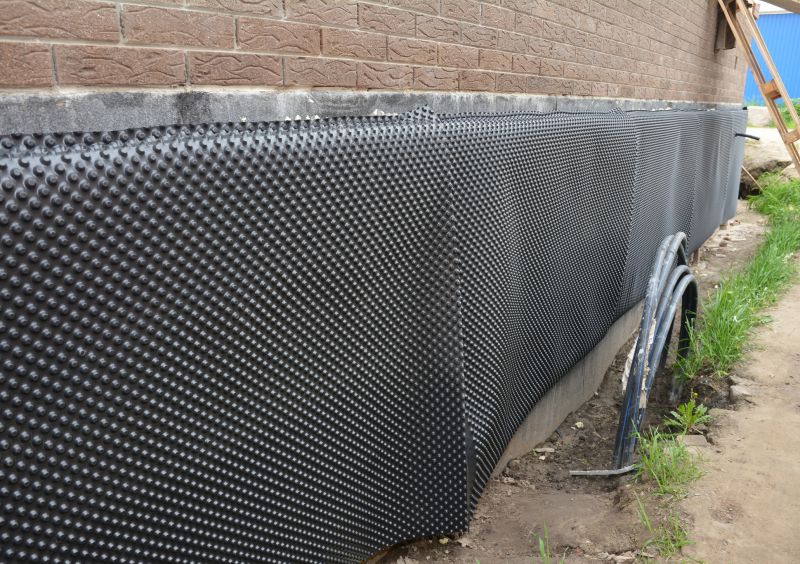 Waterproofing products play a crucial role in protecting structures and surfaces from water intrusion, which can cause damage, mold growth, and structural deterioration over time. Whether for residential, commercial, or industrial applications, selecting the right waterproofing solution depends on various factors including the type of surface, exposure level, and environmental conditions. Proper application and the right product can help extend the lifespan of foundations, roofs, basements, and other vulnerable areas.
Top Overall Option
High-Performance Liquid Waterproofing Membrane
A versatile liquid membrane designed for multiple surfaces such as roofs, basements, and foundations. It offers a seamless, flexible barrier that adheres well to various substrates, providing reliable protection against water penetration. Easy to apply with brushes, rollers, or sprayers, this product is suitable for both DIY enthusiasts and professionals seeking durable waterproofing solutions.
Types of Products For Waterproofings
Liquid Waterproofing Membranes
Flexible coatings that form seamless barriers on surfaces such as roofs and foundations.
Sheet Membranes
Pre-formed sheets used for foundation walls, roofing, and tunnels, providing durable waterproof barriers.
Bituminous Coatings
Asphalt-based coatings suitable for waterproofing below-grade surfaces and roofing applications.
Polyurethane Coatings
Highly elastic coatings ideal for sealing joints, cracks, and surfaces exposed to movement.
Cementitious Waterproofing
Waterproofing mixes that can be applied directly onto concrete and masonry surfaces.
Sealants and Caulks
Flexible sealants used to fill cracks, joints, and gaps to prevent water intrusion.
Crystalline Waterproofing
Chemical treatments that react with concrete to form waterproof crystals within the material.
Liquid-Applied Coatings
Thin layers of coatings that provide waterproof protection on various surfaces.
Spray-On Waterproofing
Sprayable membranes suitable for complex or large surface areas.
Waterproofing Paints
Paint-like coatings that add a water-resistant layer to surfaces such as walls and decks.
Hydrophobic Sealants
Sealants that repel water and protect surfaces from moisture penetration.
Pond Liners
Flexible liners used in ponds and water features to prevent water seepage.
Waterproofing Tapes
Adhesive tapes designed to seal joints, cracks, and seams effectively.
Waterproofing Additives
Chemical additives mixed into concrete or mortar to enhance water resistance.
Vapor Barriers
Materials installed to prevent moisture vapor transmission through walls and floors.
Popular Choices
Widely used for their ease of application and seamless coverage on various surfaces.
Preferred for their durability and reliability in foundation and roofing applications.
Commonly selected for below-grade waterproofing due to their proven performance.
Popular for sealing joints and cracks in various waterproofing projects.
Favored for its compatibility with concrete and ease of application.
Frequently used for sealing around windows, doors, and joints.
Selected for its ability to penetrate and react within concrete structures.
Valued for large or irregular surfaces requiring quick and uniform coverage.
Chosen for surface protection of decks, walls, and other exposed areas.
Popular for their water-repelling properties on various building surfaces.
Commonly used in landscaping and water features for effective water retention.
Useful for quick sealing of seams and cracks in various projects.
Often added to concrete mixes to enhance water resistance during construction.
Essential in areas prone to moisture buildup, such as basements and crawl spaces.
Different types of waterproofing materials are designed for specific uses. Liquid membranes, for example, create seamless barriers that are flexible and easy to apply on irregular surfaces. Membrane sheets or sheets are often used for foundation walls and roofing, providing durable, watertight layers. Sealants and coatings are versatile options suitable for cracks, joints, and surface sealing, offering additional protection against water ingress. It is important to assess the specific needs of your project to choose the most appropriate waterproofing product.
Preparation is key to effective waterproofing. Surfaces should be clean, dry, and free of debris before application. In some cases, primers may be necessary to improve adhesion. The climate and weather conditions during application can influence the effectiveness of waterproofing products, so it is advisable to follow manufacturer instructions carefully. Regular inspection and maintenance of waterproofed areas help ensure long-term performance and identify potential issues early.
From basements and foundations to roofs and balconies, waterproofing products are available in various formulations to suit different environments and requirements. While DIY options are accessible for small projects, larger or more complex applications may benefit from professional consultation. Investing in quality waterproofing materials can help prevent costly repairs and preserve the integrity of your property over time.
Key Buying Considerations
- Determine the specific area or surface that requires waterproofing to select the appropriate product type.
- Consider the exposure level, such as above-ground, below-grade, or interior applications.
- Assess the flexibility needed, especially for surfaces that experience movement or shifting.
- Check compatibility with existing materials and surfaces to ensure proper adhesion.
- Evaluate the ease of application, whether DIY or professional installation is preferred.
- Review the drying or curing time to plan your project timeline accordingly.
- Consider the longevity and expected lifespan of the waterproofing solution.
- Identify if additional protection like UV resistance or weatherproofing is necessary.
- Examine the product’s resistance to chemicals, oils, or other environmental factors relevant to your area.
- Look into maintenance requirements for ongoing performance and inspection.
- Ensure the product complies with local building codes and safety standards.
- Account for environmental conditions such as temperature and humidity during application.
- Determine budget constraints while balancing quality and durability.
- Consider the ease of future repairs or touch-ups for the waterproofed area.
- Research customer reviews and expert recommendations for insights into real-world performance.